
CPU GPU Bottleneck Calculator – Check PC Performance Balance
CPU–GPU Bottleneck Calculator: Complete Guide to PC Performance in 2025 Introduction: Why CPU–GPU Balance Is Important Many PC…

CPU–GPU Bottleneck Calculator: Complete Guide to PC Performance in 2025
Introduction: Why CPU–GPU Balance Is Important
Many PC users believe that buying a powerful graphics card is enough to get high FPS and smooth gameplay. However, even expensive PCs often suffer from stuttering, low FPS, or inconsistent performance. The main reason behind this issue is hardware imbalance.
This is where a CPU GPU Bottleneck Calculator becomes important.
A bottleneck occurs when one component—most often the CPU or GPU—restricts the performance of the other. If your CPU is too weak, your GPU cannot work at full capacity. If your GPU is underpowered, even a strong CPU will not improve gaming performance. In 2025, modern games require proper coordination between CPU and GPU, making bottleneck analysis essential.
Among available tools, bottleneckcalculators.co is considered one of the most reliable platforms for checking real-world CPU–GPU balance.
What Is a CPU GPU Bottleneck Calculator?
A CPU GPU Bottleneck Calculator is an online tool that estimates how well your processor and graphics card work together. Instead of guessing or relying on opinions, the calculator analyzes performance behavior based on real usage patterns.
The main purpose of this tool is simple:
to check whether your CPU and GPU are properly matched for gaming or heavy workloads.
If a bottleneck exists, the calculator helps you understand which component is holding your system back.
How a CPU GPU Bottleneck Calculator Works
A good CPU GPU Bottleneck Calculator does not rely only on raw specifications. It evaluates multiple performance-related factors to give realistic results.
Key Factors Analyzed
-
CPU cores, threads, and architecture
-
GPU performance level
-
Target resolution (1080p, 1440p, or 4K)
-
Gaming or general workload
By combining these factors, the calculator determines whether your system is CPU-bottlenecked, GPU-bottlenecked, or well-balanced.
Why CPU–GPU Bottlenecks Affect Gaming Performance
In modern games, the CPU handles more than many users realize. It processes:
-
Game logic and artificial intelligence
-
Physics calculations
-
Asset loading in open-world games
-
Background system tasks
If the CPU cannot process data fast enough, the GPU stays underutilized. This leads to lower FPS, frame drops, and unstable performance. A CPU-GPU bottleneck calculator helps detect this problem before upgrading or building a PC.
Common Signs of a Bottleneck
-
GPU usage consistently below 70%
-
FPS drops in CPU-heavy games
-
Micro-stuttering during intense scenes
-
Poor performance at lower resolutions
How Accurate Is a CPU GPU Bottleneck Calculator?
Many users ask whether these calculators are accurate in real gaming. While no online tool can predict exact FPS for every system, a CPU GPU Bottleneck Calculator can be highly reliable when it uses real-world performance logic instead of theoretical numbers.
A quality calculator analyzes:
-
CPU thread utilization
-
GPU workload distribution
-
Resolution-based performance scaling
-
Gaming versus multitasking behavior
This is why platforms like bottleneckcalculators.co are trusted. They focus on practical performance insights that closely match how games actually behave.
Important Note:
A CPU GPU Bottleneck Calculator should be used as a decision-support tool, not as a replacement for detailed benchmarks.
How Screen Resolution Impacts CPU–GPU Bottlenecks
Screen resolution plays a major role in bottleneck behavior. This is why every reliable CPU GPU Bottleneck Calculator asks for your target resolution.
| Resolution | CPU Load | GPU Load | Bottleneck Risk |
|---|---|---|---|
| 1080p | High | Medium | CPU Bottleneck |
| 1440p | Balanced | High | Low |
| 4K | Low | Very High | GPU Bottleneck |
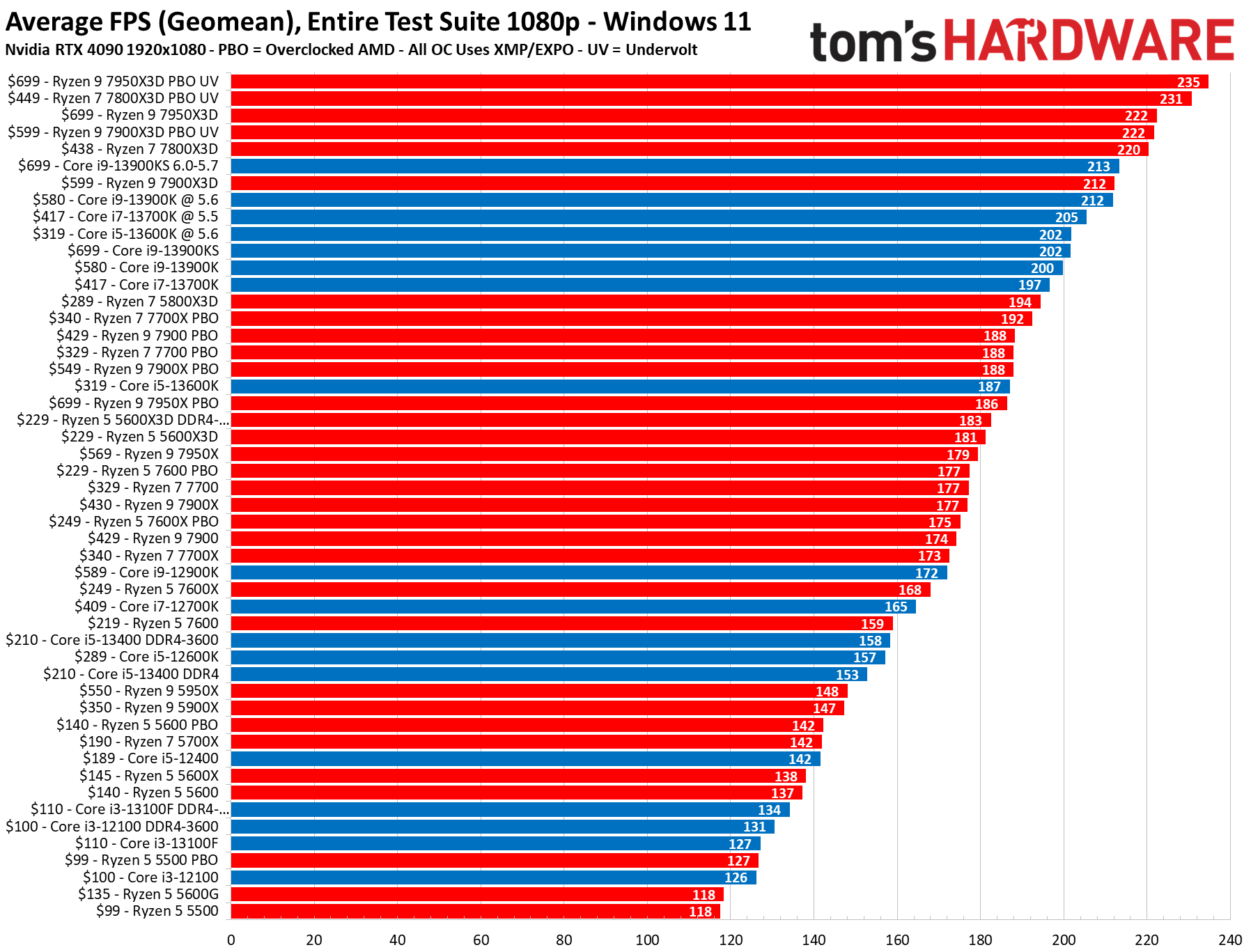
At 1080p, the CPU must process more frames per second, increasing the chance of a CPU bottleneck.
At 1440p p.m., the workload is more balanced.
At 4K, the GPU handles most of the load, reducing CPU limitations.
This resolution-based analysis makes modern bottleneck calculators far more useful than older tools.
CPU Bottleneck vs GPU Bottleneck Explained
Understanding the difference between CPU and GPU bottlenecks helps you make better upgrade decisions.
| Bottleneck Type | What It Means | Suggested Action |
|---|---|---|
| CPU Bottleneck | CPU limits GPU | Upgrade CPU |
| GPU Bottleneck | GPU fully utilized | Upgrade GPU |
| Balanced System | No major limitation | No upgrade needed |
A CPU GPU Bottleneck Calculator clearly shows which scenario applies to your system.

Why Use a CPU GPU Bottleneck Calculator Before Upgrading
One of the biggest mistakes PC users make is upgrading hardware without analysis. Many upgrade their GPU expecting massive FPS gains, but see little improvement because the CPU becomes the limiting factor.
Using a CPU GPU Bottleneck Calculator before upgrading helps you:
-
Avoid unnecessary hardware purchases
-
Identify the real performance limiter
-
Spend money more efficiently
-
Build a balanced and future-ready PC
Benefits of Using the Best CPU GPU Bottleneck Calculator
Using the best CPU GPU Bottleneck Calculator offers long-term advantages beyond short-term FPS gains.
-
Better component compatibility
-
Improved gaming stability
-
Smarter upgrade planning
-
Higher performance per dollar
These benefits make bottleneck analysis an essential step for any PC builder or gamer.
Why bottleneckcalculators.co Is a Reliable Choice
Many bottleneck tools online are outdated or overly complex. bottleneckcalculators.co stands out because it:
-
Uses updated CPU and GPU data
-
Provides resolution-based analysis
-
Focuses on real gaming behavior
-
Offers a simple and easy-to-use interface
These features make it one of the most trusted options for checking CPU–GPU balance.
Conclusion
Modern PC performance depends on balance, not just powerful hardware. A CPU GPU Bottleneck Calculator helps ensure that your CPU and GPU work together efficiently.
By using a reliable tool like bottleneckcalculators.co, you can avoid performance issues, plan smarter upgrades, and get the best value from your PC components. Whether you are gaming at 1080p or 4K, bottleneck analysis should always be your first step.
Frequently Asked Questions (FAQs)
What is a CPU GPU bottleneck calculator?
It is a tool that checks whether your CPU and GPU are properly balanced for gaming or workloads.
Can a CPU–GPU bottleneck reduce FPS?
Yes, bottlenecks can significantly limit performance and cause stuttering.
Are CPU and GPU bottleneck calculators reliable?
They are reliable when they use updated data and real-world performance logic.
Should I upgrade the CPU or GPU first?
A CPU GPU Bottleneck Calculator helps identify which component is limiting your system.
Is bottleneckcalculators.co free to use?
A solution that works well for one system may not perform the same on another.
What a Bottleneck Percentage Really Means
A bottleneck percentage is an estimate of how much one component is likely to hold back another in typical gaming workloads. It is not a measured frame rate, and it is not a fixed property of two parts. The same CPU and GPU can show a CPU limit in one game and a GPU limit in another, because the work each part does per frame changes with the engine, the scene and your settings. Treat the number as a directional signal: a low figure suggests a balanced pairing, while a high figure tells you which part to look at first.
Resolution matters more than almost anything else. At 1080p the graphics card finishes each frame quickly, so the processor is more often the limit. At 1440p and 4K the GPU has far more pixels to render, so the same processor looks much less of a problem. A CPU that appears to hold back a high-end card at 1080p can be perfectly adequate at 4K, which is why you should always enter the resolution you actually play at.
What a Bottleneck Calculator Can and Cannot Tell You
Used correctly, a calculator is a fast sanity check before you spend money. It helps you in these ways:
- It flags obviously mismatched pairings, such as a very old quad-core processor with a current high-end graphics card.
- It suggests which side of your system is more likely to be the limit, so you know where to look first.
- It lets you compare upgrade options on paper before you buy anything.
It cannot do everything, and it helps to know the limits:
- It cannot predict exact FPS in a specific game, because engines behave very differently.
- It cannot see thermal throttling, outdated drivers, background software or a power plan that holds your CPU back.
- It does not know whether your memory runs in dual channel or whether XMP or EXPO is switched on, and both change real-world results.
For those reasons, back up any estimate with a quick real-world check: run your game with a performance overlay showing CPU and GPU utilization and see what actually happens.
A Practical Workflow: From Estimate to Upgrade Decision
- Enter your CPU, GPU, RAM and the resolution you play at, and note which component the estimate flags.
- Open a performance overlay in a demanding game. If the GPU sits near full load in busy scenes, you are GPU-limited, which is normal and usually what you want. If the GPU is well below full load while one or more CPU threads are close to maximum, you are CPU-limited.
- Try the free fixes first: enable dual-channel memory and XMP or EXPO, update graphics drivers, check that the CPU is not overheating, and use the balanced or high-performance power plan.
- Only then price an upgrade, and run the estimate again with the new part selected before you buy it.
Mistakes That Skew Bottleneck Results
- Entering the wrong resolution. Calculating for 1080p when you play at 1440p overstates CPU limits.
- Chasing 0%. Some imbalance is always present. A GPU working at full load is exactly what a gaming PC should do.
- Ignoring memory. Single-channel RAM or slow memory can hold back a good CPU and GPU, and no CPU-GPU calculator will show it.
- Testing with background apps open. Browsers, launchers and recording software add load that is not part of your game.
- Treating one game as the whole picture. Test the titles you play most, not a single benchmark.
More Questions Answered
Is a bottleneck always a problem?
No. Every system has a limiting component. It only matters when it is large enough to waste money on a part you cannot fully use, or when it causes stutter and low frame rates in games you care about.
Can I reduce a CPU bottleneck without replacing the processor?
Often partly. Raising resolution or graphics quality shifts work to the GPU, enabling dual-channel memory with XMP or EXPO helps, and fixing cooling or background load can recover performance. A true gap between a weak CPU and a strong GPU usually needs a CPU upgrade in the end.
How often should I re-check my system?
Re-check whenever you change a major part, switch resolution or monitor, or start playing a noticeably heavier game.
Do the results apply to gaming laptops?
Only roughly. Laptop processors and graphics chips often run at lower power limits and throttle sooner, so real performance can differ from a desktop with the same model name.
Additional Guidance
Top Components That Cause Bottlenecks
| Component | Cause of Bottleneck | Solution | Icon |
|---|---|---|---|
| CPU | Weak CPU for gaming or GPU-heavy tasks | Upgrade CPU or reduce background processes | 🧠 |
| GPU | Underpowered graphics card for high settings | Upgrade GPU or lower graphics settings | 🎮 |
| RAM | Insufficient memory for multitasking | Add more RAM or close unused applications | 💾 |
| Storage | Slow HDD causing long load times | Upgrade to SSD or defragment drive | 💽 |
| Motherboard | Limits maximum CPU/GPU potential | Upgrade the motherboard for better compatibility | 🔧 |
| Cooling System | Overheating can throttle performance | Improve airflow or add better cooling | ❄️ |
Pro tip: Even small bottlenecks can significantly impact gaming, streaming, and rendering performance. Detecting them early prevents wasted time and money.
Additional Tips to Prevent Future Bottlenecks
-
Monitor System Usage Regularly – Keep an eye on CPU, GPU, and RAM usage to spot potential bottlenecks. 📊
-
Keep Drivers Updated – GPU and CPU drivers optimize performance and compatibility. 🔄
-
Upgrade Gradually – Avoid replacing everything at once; target the component identified by the bottleneck checker. 💡
-
Improve Cooling – Better airflow prevents thermal throttling. ❄️
-
Use SSDs Over HDDs – Faster storage reduces load times and prevents bottlenecks. 💾
Monitor System Usage Regularly – Keep an eye on CPU, GPU, and RAM usage to spot potential bottlenecks. 📊
Keep Drivers Updated – GPU and CPU drivers optimize performance and compatibility. 🔄
Upgrade Gradually – Avoid replacing everything at once; target the component identified by the bottleneck checker. 💡
Improve Cooling – Better airflow prevents thermal throttling. ❄️
Use SSDs Over HDDs – Faster storage reduces load times and prevents bottlenecks. 💾
Key Components in PC Performance Analysis
| Component | Why It Matters | Performance Tip |
|---|---|---|
| CPU 🧠 | Handles calculations and system logic | Check clock speed & cores for demanding applications |
| GPU 🎨 | Processes graphics and visuals | Ensure VRAM and cores match your gaming resolution |
| RAM 📦 | Stores temporary data for quick access | Upgrade if your system slows under heavy multitasking |
| Storage 💾 | SSD vs HDD affects load times | Use SSD for OS and frequently used apps |
| Motherboard 🛠️ | Connects all components | Supports overclocking & compatibility |
| Cooling System ❄️ | Prevents thermal throttling | Maintain airflow to avoid CPU/GPU slowdowns |