
Best GPU Bottleneck Guide in 2026
🔥 Best GPU Bottleneck Guide in 2025: Boost Gaming Performance If your games are lagging, frames feel inconsistent,…

🔥 Best GPU Bottleneck Guide in 2025: Boost Gaming Performance
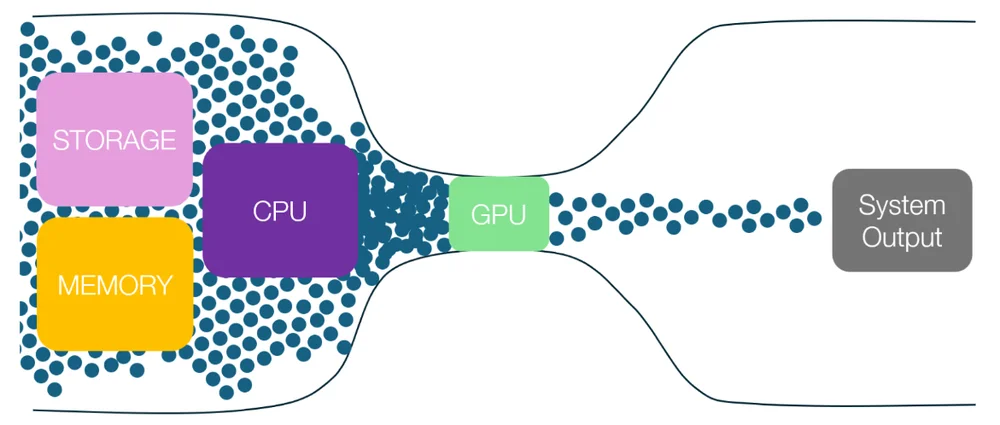

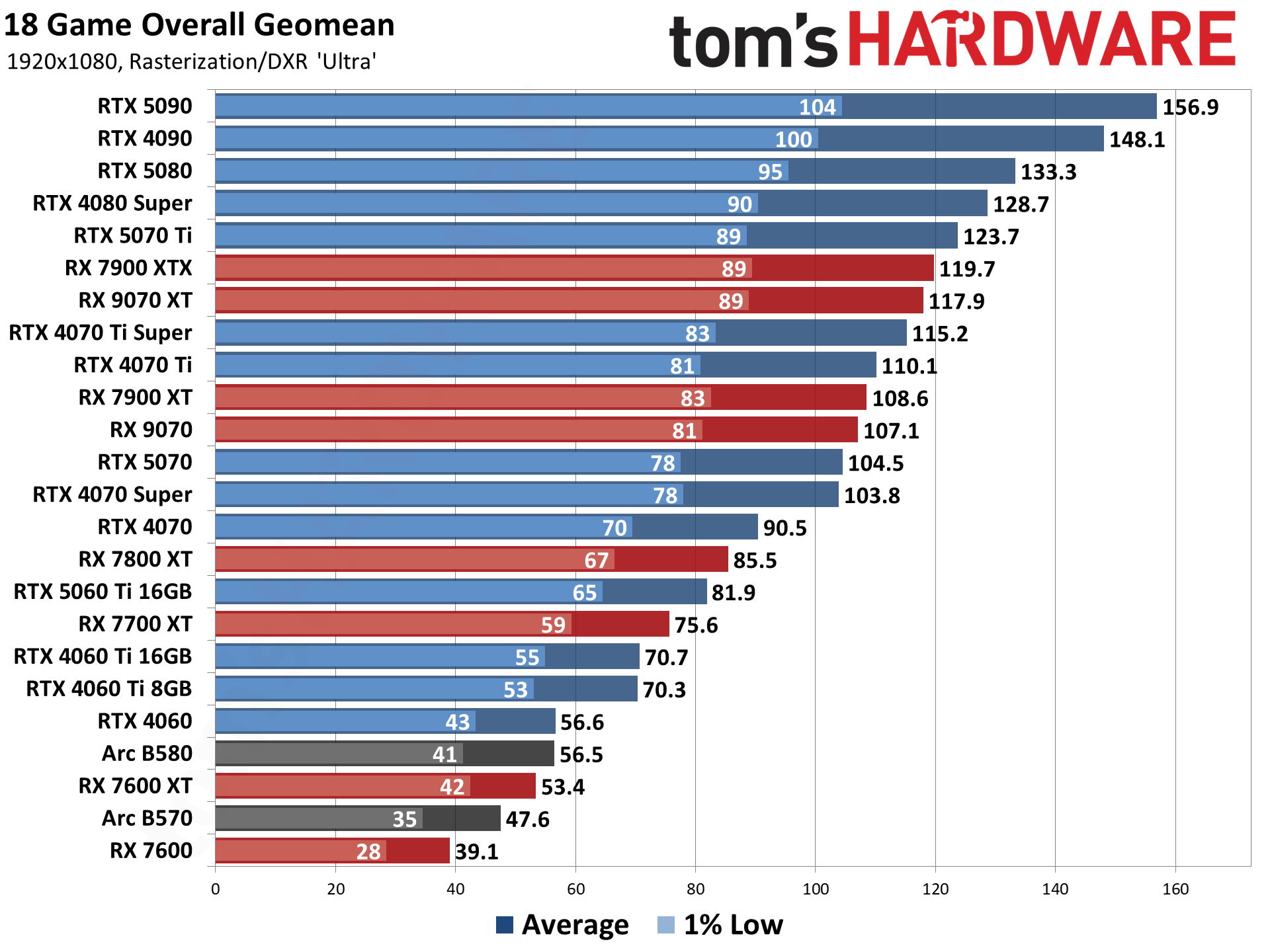
If your games are lagging, frames feel inconsistent, or your PC struggles during high-resolution tasks, the culprit may be a GPU bottleneck. This happens when your graphics card cannot keep up with other PC components—especially the CPU. To diagnose this accurately, you need a reliable GPU bottleneck detector, and the best tool for the job is BottleneckCalculators.co.
This guide explains everything you need to know about GPU bottlenecks, how to detect them, how to fix them, and why BottleneckCalculators.co is the top platform.
🎮 What Is a GPU Bottleneck?
A GPU bottleneck occurs when the graphics card reaches maximum capacity while other components—like the CPU—still have unused performance. This leads to:
-
Low or unstable FPS
-
High GPU usage (95–100%) consistently
-
Poor performance in graphically intensive games
-
Lag during high-resolution gameplay
-
Lower benchmark scores compared to expectations
⚠️ Signs You Have a GPU Bottleneck
-
🔥 100% GPU usage while CPU remains under 50%
-
🎮 FPS drops during high-resolution gaming (1440p / 4K)
-
🖥 Stuttering during cutscenes
-
📉 Lower-than-expected benchmark results
-
🌡 GPU temperatures are very high due to constant load
⭐ Why You Need a GPU Bottleneck Detector
A modern PC contains multiple components that work together. A GPU bottleneck detector helps pinpoint which part is struggling and why your system isn’t performing as expected.
🛠 Benefits of Using a Bottleneck Detector
✔️ Detects GPU load issues
✔️ Helps identify CPU–GPU imbalance
✔️ Suggests best upgrade path
✔️ Improves gaming FPS
✔️ Prevents buying the wrong graphics card
✔️ Optimizes overall system performance
🌐 Why BottleneckCalculators.co Is the Best Platform
When it comes to accurate GPU analysis, no platform is more reliable than BottleneckCalculators.co.
🔥 Key Advantages
-
⚡ Lightning-fast GPU bottleneck calculations
-
🖥 Supports thousands of GPUs and CPUs
-
🎮 Perfect for gamers, streamers, and PC builders
-
📊 Provides charts showing GPU vs CPU performance load
-
💡 Gives detailed upgrade recommendations
-
🌐 Free, online, and requires no installation
Whether you’re troubleshooting your gaming PC or building a new setup, this tool gives the most accurate analysis available.
📊 GPU Bottleneck Examples (Table)
| 🎮 GPU Model | 🧠 CPU Model | ⚠️ Bottleneck Level | 💡 Recommendation |
|---|---|---|---|
| GTX 1050 Ti | Ryzen 7 5800X | High | Upgrade GPU |
| RX 580 | Intel i7 12700K | High | Upgrade to modern GPU |
| RTX 2060 | Ryzen 5 5600X | Low | Balanced setup |
| GTX 1660 Super | Intel i9 12900K | High | GPU upgrade recommended |
| RTX 4070 | Ryzen 5 2600 | Medium | Minor CPU upgrade helps |
🧪 How to Test for a GPU Bottleneck
Testing for a GPU using BottleneckCalculators.co is simple:
📝 Step-by-Step Guide
-
Select your GPU model
-
Enter your CPU model
-
Choose RAM size
-
Hit Analyze
-
View detailed charts showing GPU usage, bottleneck percentage, and system balance
What You’ll See
-
📈 GPU load chart
-
🧠 CPU utilization comparison
-
🎮 Game performance estimates
-
💡 Upgrade recommendations
-
🧩 RAM and storage impact
🧩 Common Causes of a GPU Bottleneck
| 🔧 Cause | 💬 Explanation |
|---|---|
| Old GPU model | Lacks the power needed for modern games |
| Insufficient VRAM | Causes stuttering in high-resolution textures |
| Overly powerful CPU | CPU waits for GPU to catch up |
| 1440p or 4K gaming | High resolution increases GPU load |
| Poor cooling | GPU thermal throttles under load |
🛠 How to Fix a GPU Bottleneck
✔️ 1. Lower GPU-heavy settings
Reduce:
-
Texture quality
-
Ray tracing
-
Anti-aliasing
-
Post-processing
-
Render resolution
✔️ 2. Upgrade your GPU
If your card is outdated, a GPU upgrade is the fastest fix.
✔️ 3. Improve cooling
Better airflow prevents thermal throttling.
✔️ 4. Use DLSS / FSR
These technologies boost FPS by upscaling lower resolutions.
✔️ 5. Reduce background GPU usage
Close apps like:
-
Google Chrome
-
Discord overlays
-
Recording software
📌 Final Verdict
A GPU bottleneck can dramatically affect gaming performance, video rendering, and overall PC responsiveness. Fortunately, diagnosing the issue is easy with BottleneckCalculators.co — the best GPU bottleneck detector available.
Whether you’re building a gaming PC or optimizing an existing system, this tool gives detailed insights, accurate bottleneck percentages, and smart upgrade suggestions.
👉 Detect your bottleneck today and achieve smoother, faster performance!
GPU at Full Load Is Normal, Not a Problem
Many people see their graphics card at 99 or 100 percent and assume something is wrong. In a game, that is usually exactly what you want. It means the GPU is the part doing the most work and nothing else is holding it back. A GPU limit becomes a problem only when the frame rate or visual quality is lower than you want and the only way to change it is to reduce the load or buy a faster card.
How to Check GPU Usage and Video Memory
Use a performance overlay while you play. Watch GPU utilization and also video memory usage. If utilization is high and frame rates are acceptable, you are fine. If video memory is completely full, you may see stutter, texture pop-in or sudden frame rate drops even when the GPU does not look overloaded. In recent games with high texture settings, cards with smaller amounts of video memory can run out first, especially at higher resolutions.
Settings That Add GPU Load
- Resolution and resolution scale.
- Ray tracing and path tracing.
- Texture quality, which mostly affects video memory.
- Shadow quality and anti-aliasing.
- Heavy post-processing effects.
Reducing the most expensive settings first, such as ray tracing and shadows, usually gives the biggest gain for the least visual cost.
Ways to Reduce GPU Load Without Buying a New Card
- Turn on an upscaler such as DLSS, FSR or XeSS if the game supports it. It renders at a lower resolution and scales up, which raises frame rate.
- Lower shadows, volumetric effects and ray tracing before touching texture quality.
- Use a frame rate cap near your monitor refresh rate so the GPU is not working harder than needed.
- Update your graphics driver and check that your card is not overheating or hitting its power limit.
When the GPU Itself Is the Problem
If the card performs well below similar systems, check the basics: the card is firmly seated and powered with the correct cables, temperatures are reasonable under load, the driver is current, and the PCIe slot is running at its normal link speed. A card that throttles from heat will lose performance even though nothing is wrong with the part itself. Then compare your results with the GPU bottleneck calculator estimate for your pairing.
More Questions Answered
Is 100 percent GPU usage bad?
No. In games it generally means your graphics card is being fully used. It is only an issue if performance is lower than you want or temperatures are too high.
Does a GPU bottleneck hurt my CPU?
No. It only means the graphics card sets the pace. The processor is simply not being pushed as hard.
Should I upgrade the GPU or lower my settings?
Lowering a few expensive settings or using upscaling is free and often enough. Upgrade when the games you play no longer reach the performance you want at settings you accept.
Why is my GPU usage low but my FPS is also low?
That usually points to a CPU limit, memory problem or software issue rather than the GPU. Our guide on low GPU usage with low FPS walks through the causes.
GPU Health Checklist
- Is GPU utilization high when frame rates are acceptable?
- Is video memory below its limit at your texture settings?
- Are temperatures reasonable and clocks steady under load?
- Is the card fully seated and powered with the correct cables?
- Is the driver current?
- Have you tried an upscaler such as DLSS, FSR or XeSS?